
Ford’s Commitment to Sustainability Offers Hope to Indiana’s Automotive Industry
The state of Indiana plays a crucial role in the automotive industry, being home to several major car manufacturers and assembly plants. One of the leading names in this sector is Ford, which has its fair share of dealerships scattered across the state. We will delve deeper into the world of Ford dealers in Indiana, analyzing their impact on the local economy, the challenges they face, and the future prospects.
According to annual reports, Ford is the largest domestic producer of automobiles and has been selling vehicles in Indiana since the early 1900s. It currently operates around 80 dealerships in the state, ranging from small towns to metropolitan areas. These dealerships offer a wide range of Ford products, from sedans and SUVs to commercial trucks and vans. Ford dealers in Indiana are known for their exceptional customer service, with dedicated experts providing assistance at every step of the buying process. Whether it is a new car or a pre-owned one, customers can expect transparency, honesty, and value for money.
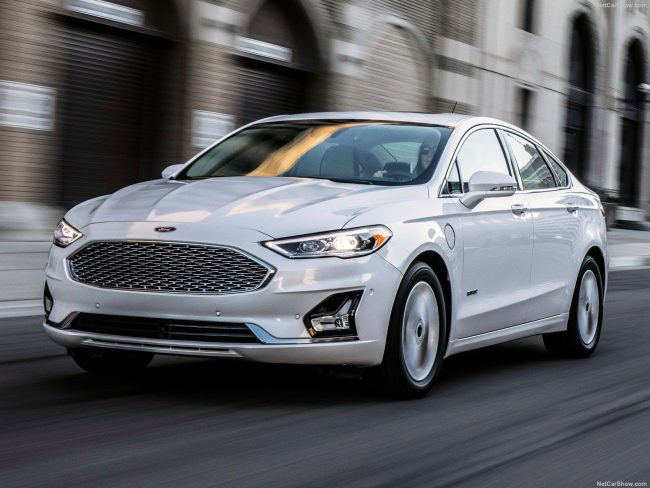
Being a significant player in the automotive industry, Ford dealerships in Indiana contribute significantly to the local economy. Apart from providing employment opportunities, they also generate tax revenue, promote tourism, and enhance the overall infrastructure. The presence of Ford dealerships in the state has a multiplier effect, creating a ripple effect in the form of auxiliary services such as automotive repair centers, parts suppliers, and car washing services.
However, like any other business, Ford dealerships face unique challenges in Indiana. One of the most pressing issues is the competition from other car manufacturers such as General Motors, Fiat Chrysler, and Toyota. Customers today have a wide variety of choices, and dealerships need to work harder to differentiate themselves from the rest. Another challenge is the changing trends in the automotive market, with an increasing inclination towards electric and hybrid vehicles. Ford dealerships need to adapt quickly to these changing market dynamics and invest in training their staff on the latest technologies.
Despite the challenges, the future of Ford dealers in Indiana looks promising. The company has an impressive lineup of new vehicles, including electric and hybrid ones, that cater to the diverse needs of customers. Additionally, Ford is committed to reducing its carbon footprint and promoting sustainable practices. This aligns with the larger goal of Indiana to become a leader in clean energy and reduce its dependence on fossil fuels.
To sum up, Ford dealers in Indiana play a crucial role in the state’s economy and automotive sector. They provide much-needed employment opportunities, generate tax revenue, and enhance the overall infrastructure. While they face challenges, Ford dealerships are optimistic about the future and committed to delivering the best customer experiences.
